
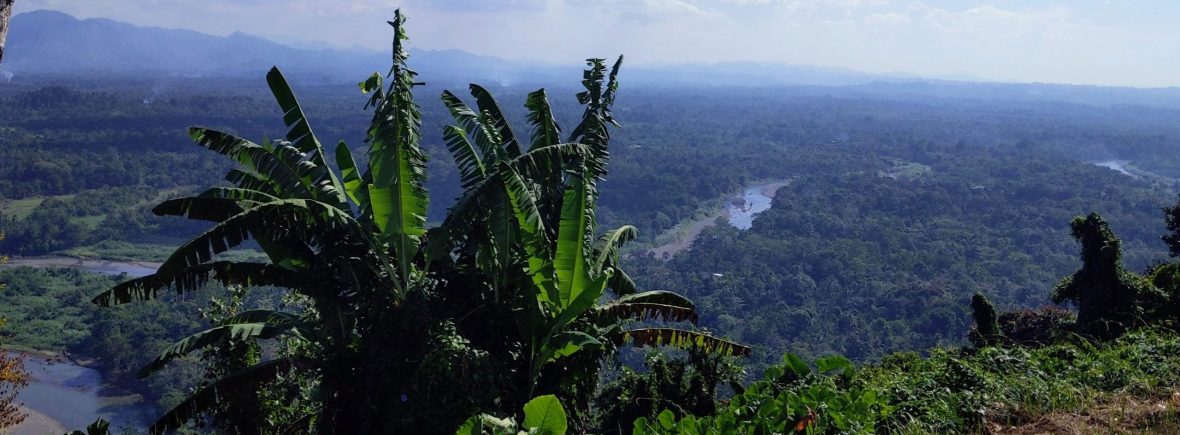
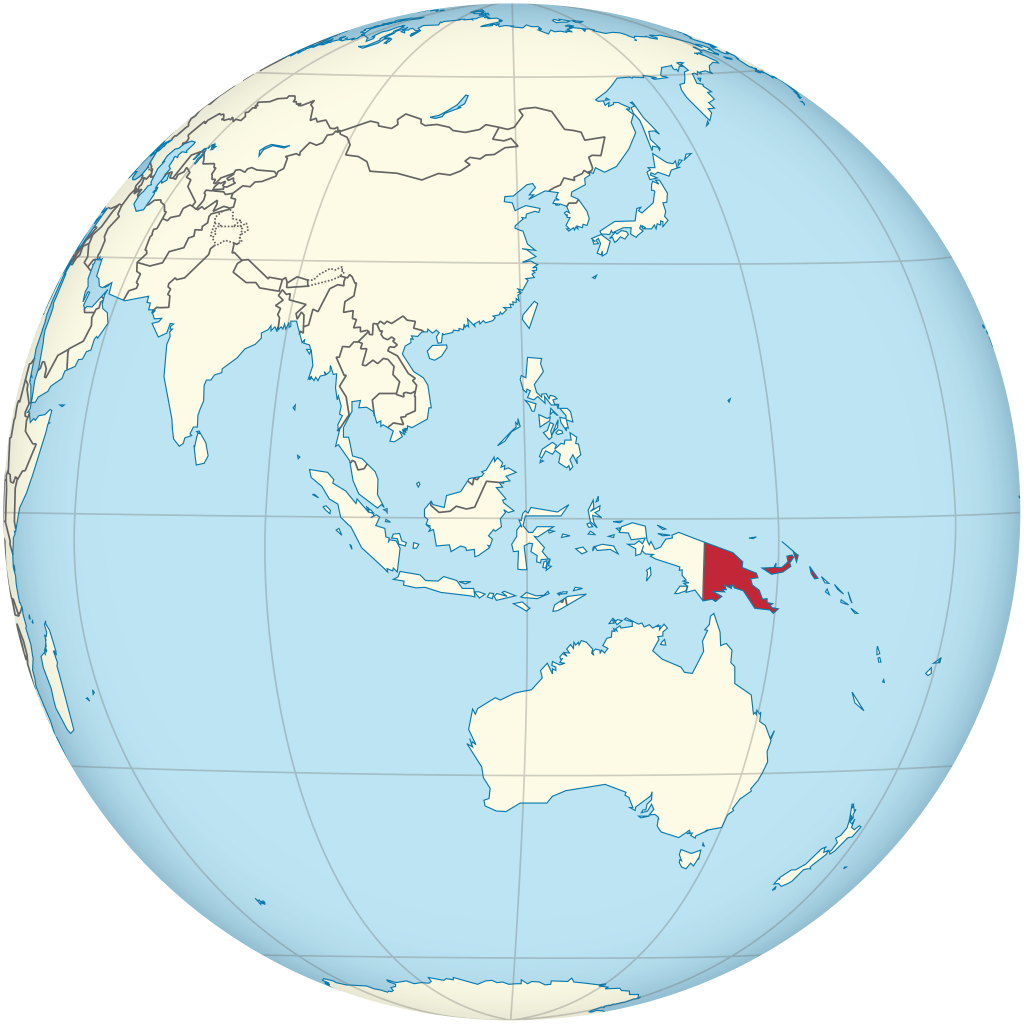
WCP PNG is based in Papua New Guinea (PNG), an island in the southwestern Pacific Ocean, north of Australia. It has a population of approximately 10.5 million people. WCP PNG is currently working in Morobe Province – the largest province in PNG with a population of approximately 1 million people and plan to extend to further provinces in the future.
Breast and cervical cancer are two of the three most common cancers in PNG. Breast cancer is the most prevalent, with a recorded incidence of 87.6 per 100,000 women, and is the leading cause of cancer-related deaths. Cervical cancer ranks third in both incidence and mortality, with a reported rate of 56.9 per 100,000. However, the true burden is likely much higher, as many cases go undiagnosed and many women die without ever receiving a formal diagnosis. These cancers are largely preventable and treatable diseases – yet without early detection and accessible care, too many women continue to die.
Approximately 40% of the population in PNG are living in poverty. It’s healthcare system faces significant challenges, including limited access to facilities, shortages of skilled professionals, and inadequate infrastructure, particularly in rural areas where approximately 85% of the population live.
The high rates of breast and cervical cancer in PNG are driven by several interconnected factors. Firstly, there are no national cancer screening programmes and no access to the Human Papillomavirus (HPV) vaccine. Secondly, healthcare access is limited, especially in rural areas where people often live far from facilities that lack the capacity to diagnose or treat cancer. Thirdly, low awareness of symptoms, combined with cultural stigma, misconceptions, and taboos around women’s reproductive health, leads many women not to seek care at all or delay seeking care until the disease is advanced. Finally, poverty further limits access to healthcare and transportation, with health needs often deprioritized in the face of daily economic hardship.
 Women's Cancer Prevention PNG